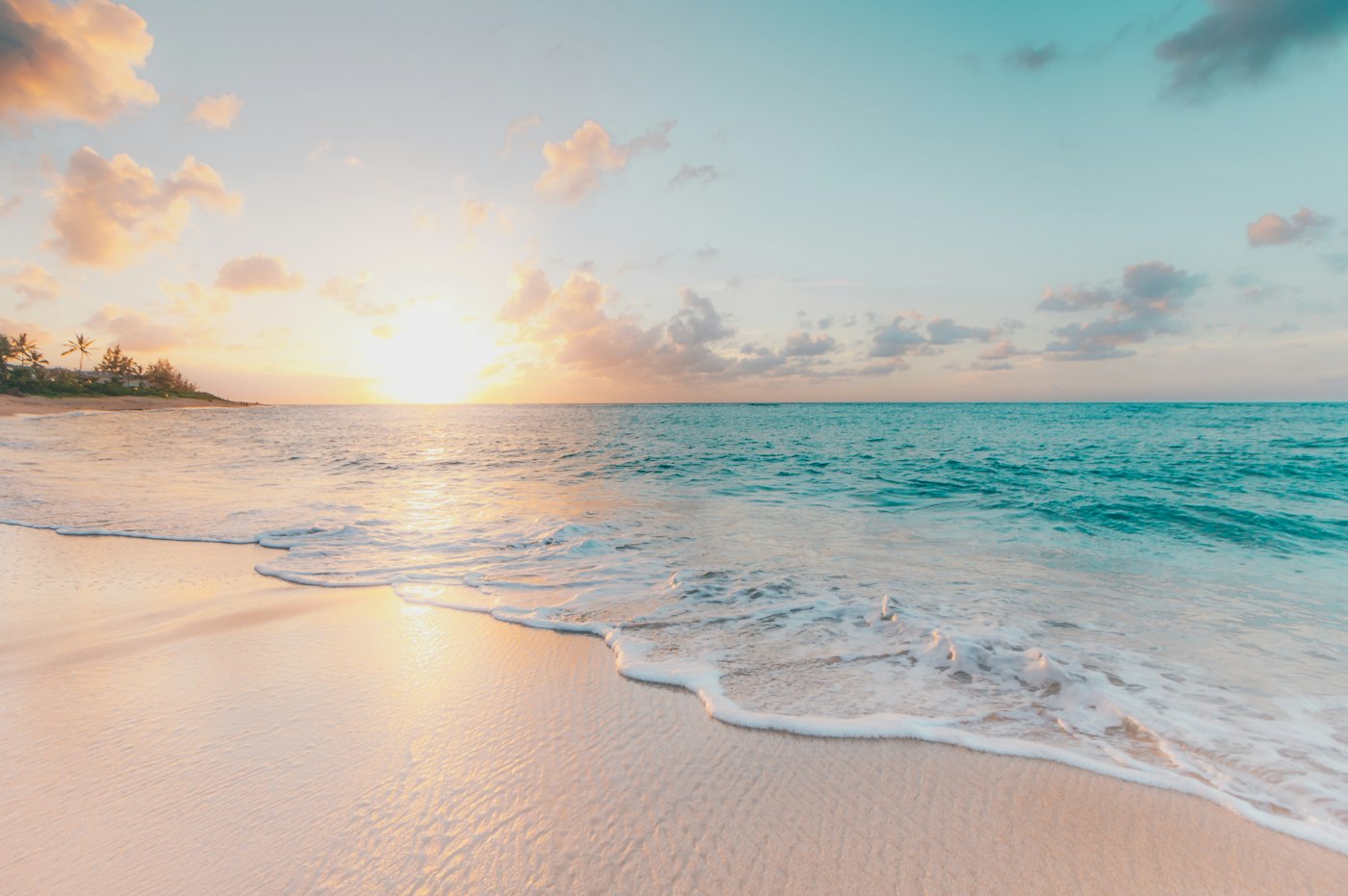
When I tell people there's a white sand beach on Japan's main island — in Wakayama prefecture, just two hours from Osaka — they usually give me that look. The one that says "sure, and I suppose there's a volcano in Tokyo too."
But Shirahama is real, and it's been real for a very long time. The name literally means "white beach," and this town has been a hot spring resort since the 7th century. That's right: people have been coming here for over 1,300 years, which makes it older than most countries.
Here's the slightly awkward truth, though. The sand? It's not entirely natural. Erosion washed away much of the original white sand over the decades, and the town imported sand from Australia in the 1980s to restore the beach. Purists might scoff, but honestly? When you're lying on soft white sand staring at the Pacific Ocean, you don't spend much time pondering its passport.
The Beach Itself
Shirahama Beach stretches about 640 meters along the coast, backed by pine trees and a pleasant promenade. The water is surprisingly warm for mainland Japan — the Kuroshio Current flows right past Wakayama, bringing subtropical water northward. In August, sea temperatures hit 27°C, which is genuinely swimmable without a wetsuit.
The beach has full facilities: showers, toilets, changing rooms, umbrella rentals, and lifeguards in summer. It's well-maintained and family-friendly, with gentle waves that make it safe for kids.
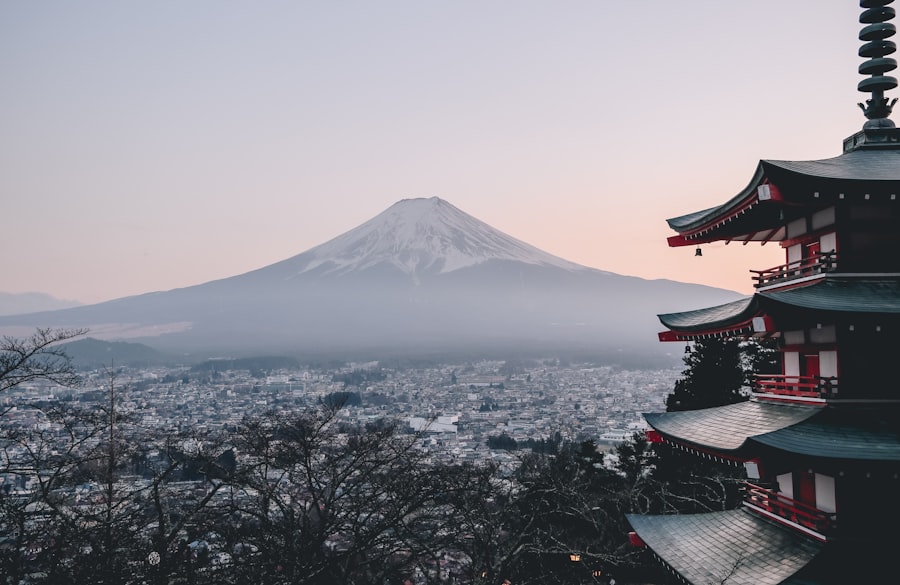
Shirahama's beachfront with the Pacific stretching to the horizon.
The Real Reason to Come: The Onsen
Shirahama isn't just a beach town — it's one of Japan's three oldest hot spring resorts (along with Arima and Dogo). And the combination of beach and onsen is something special. Picture this: you spend the morning swimming in the ocean, you spend the afternoon soaking in mineral-rich hot springs, and you spend the evening eating fresh seafood caught that day.
Saki-no-Yu is the must-visit onsen. It's a rotenburo (outdoor bath) perched on a cliff right above the ocean. You soak in 40°C mineral water while waves crash against the rocks below you. It's one of those experiences that makes you wonder why every beach town doesn't have this.
Saki-no-Yu is mixed gender and requires a small towel. Entry is ¥600. Go at sunset for the full experience — watching the sun drop into the Pacific from a hot spring is something you'll never forget.
Adventure Beach: For the Thrill Seekers
Just around the point from the main beach is Adventure Beach, a smaller, more rugged stretch that's popular with surfers. The waves here are consistently better than the main beach, and the vibe is completely different — laid-back, slightly grungy, and full of tanned locals checking the swell.
Surfboard rentals are available nearby for about ¥3,000/half day. Lessons run about ¥5,000 for two hours. Even if you're a complete beginner, the instructors here are patient and the waves are forgiving enough to learn on.
Getting There
From Osaka, take the JR Kuroshio limited express to Shirahama Station. It's about 2 hours and 15 minutes, and the train ride itself is gorgeous — winding through mountains and along the coast. A round-trip ticket costs about ¥9,000.
If you're driving, it's about 2.5 hours from Osaka via the Hanwa Expressway. Parking near the beach costs ¥500–1,000 for the day.
📅 Best Time to Visit
July and August for swimming (water is warmest). September for fewer crowds and still-warm water. November for onsen season and autumn foliage in the surrounding mountains. Honestly, there's no bad time — just different reasons to go.
Shirahama might not have the tropical intensity of Okinawa, but it has something those islands can't offer: accessibility. Two hours from Osaka, a perfect combination of beach and hot springs, and 1,300 years of history. Sometimes the best beach trips are the ones you don't have to fly for.