
I need to get something off my chest. Before I visited Ishigaki, I thought Japan's beach reputation was… generous. Nice enough, I figured. Pretty, sure. But tropical? That word belongs to the Maldives, or Thailand, or Fiji — not a country famous for bullet trains and snow monkeys.
I was wrong. Embarrassingly, completely wrong.
Ishigaki Island sits at the very southern tip of Japan's Okinawa prefecture, closer to Taiwan than Tokyo, and it has water so absurdly blue that I spent the first twenty minutes on Kabira Bay just standing there with my mouth open like an idiot. The kind of blue that makes you question whether your eyes are working properly.
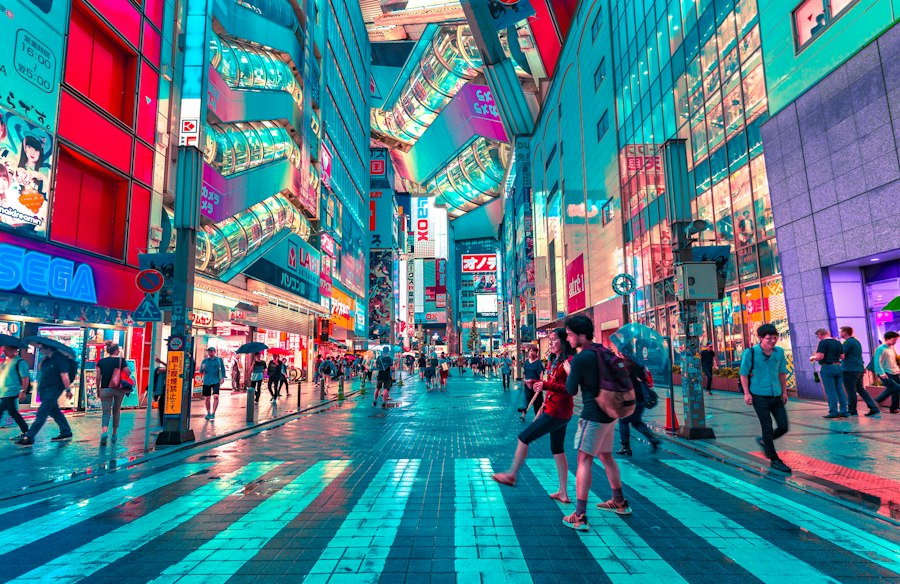
Kabira Bay — yes, the water really is this color. No filter needed.
Kabira Bay: The Postcard That's Actually Real
Let's start with the obvious one. Kabira Bay is on every Ishigaki postcard and travel brochure, and normally that would be a red flag — overhyped, overcrowded, underwhelming. But Kabira Bay is the rare exception that lives up to every single photo.
The water here isn't swimmable (strong currents and protected status), but you can take a glass-bottom boat tour that floats you over coral gardens and tiny tropical fish. The boats run every 15 minutes and cost about ¥1,000. It's worth every yen.
The real move? Go at 8 AM, before the tour buses arrive. You'll have the viewing platform almost to yourself, and the morning light on the water is something no camera can capture.
Yonehara Beach: Where You Actually Get in the Water
If Kabira Bay is for looking, Yonehara Beach is for jumping in. This is the beach that changed my entire opinion of Japan's coastline. The reef is maybe 30 meters from shore, and the snorkeling is genuinely world-class. I saw a sea turtle within fifteen minutes of getting in the water — a big one, just grazing on seagrass like I wasn't even there.
There's no entrance fee, no rental shop, no vendors hawking overpriced coconuts. Just a small parking lot, a toilet block, and the Pacific Ocean doing its thing. Bring your own gear and water. The nearest convenience store is a 15-minute drive.
🤿 Quick Tip
Wear reef shoes. The entry is rocky and sea urchins are common in shallow areas. Also, check the tide — at low tide, you'll need to walk further to reach deeper water, but the reef is more exposed and easier to explore.
Sunset Beach: Exactly What It Sounds Like
On the western coast, Sunset Beach faces the open ocean and delivers what might be the best sunset I've seen anywhere in Japan. The sand is soft, the water is calm (it's protected by a reef), and there's a small café called Sunset Café that serves Orion beer and taco rice — an Okinawan staple that sounds weird but is genuinely delicious.
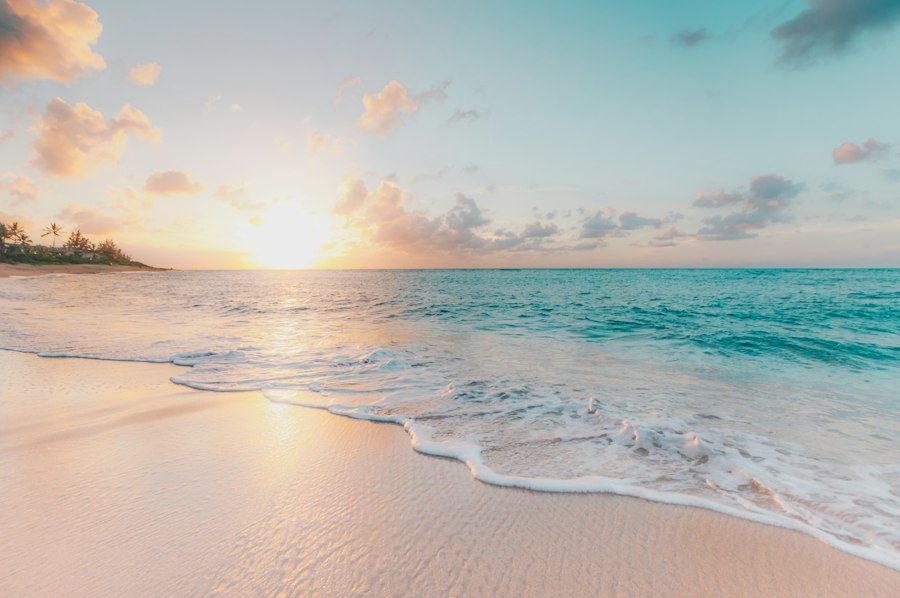
Sunset Beach lives up to its name. Every single evening.
Eating on Ishigaki: Beyond the Hotel Buffet
Ishigaki's food scene doesn't get enough credit. The island is famous for its Yaeyama soba — a lighter, brothier version of Okinawan soba made with pork rib broth and topped with tender pork ribs instead of the usual sliced pork. The best bowl I had was at a tiny shop called Soba Higa, about ten minutes from the city center. The grandmother running it has been making soba for forty years, and it shows.
Other must-tries: Ishigaki beef (the island's answer to Kobe beef, seriously good), fresh tuna sashimi from the morning market, and hirayachi — a simple Okinawan pancake that every local restaurant makes differently but all taste incredible at 11 PM after a day in the sun.
Getting Around
Rent a car. Period. Ishigaki's bus system exists but it's infrequent and doesn't reach the best beaches. A rental car costs about ¥5,000 per day, and driving on the island is easy — wide roads, little traffic, and every destination is within 40 minutes of the airport.
If you can't drive, consider renting an electric bicycle. The island is flat enough that cycling is pleasant, and you'll discover small shrines, roadside fruit stands, and viewpoints that you'd miss in a car.
When to Go
Late March through June is ideal. The water is warm, the skies are mostly clear, and you're ahead of the Japanese summer vacation rush (late July through August). September through November is typhoon season — you might get perfect weather, or you might get stuck in your hotel for three days. Roll the dice if you want cheaper flights.
Winter (December through February) is surprisingly pleasant. Daytime temperatures hover around 20°C, and while it's too cold for swimming, it's perfect for hiking, sightseeing, and having the beaches to yourself.
💰 Budget Reality
Ishigaki isn't cheap. Flights from Tokyo run ¥15,000–40,000 depending on season. Hotels average ¥8,000–15,000/night. A rental car is ¥5,000/day. Budget roughly ¥15,000–20,000 per day all-in if you're not being extravagant. It's worth it.
Ishigaki made me realize that Japan's beauty isn't just in its temples, its food, or its mountains. It's in the places that most visitors never think to look — the far edges of the country where the water is warm, the pace is slow, and the sunset stops you in your tracks every single evening.
Go. Before the secret gets out.