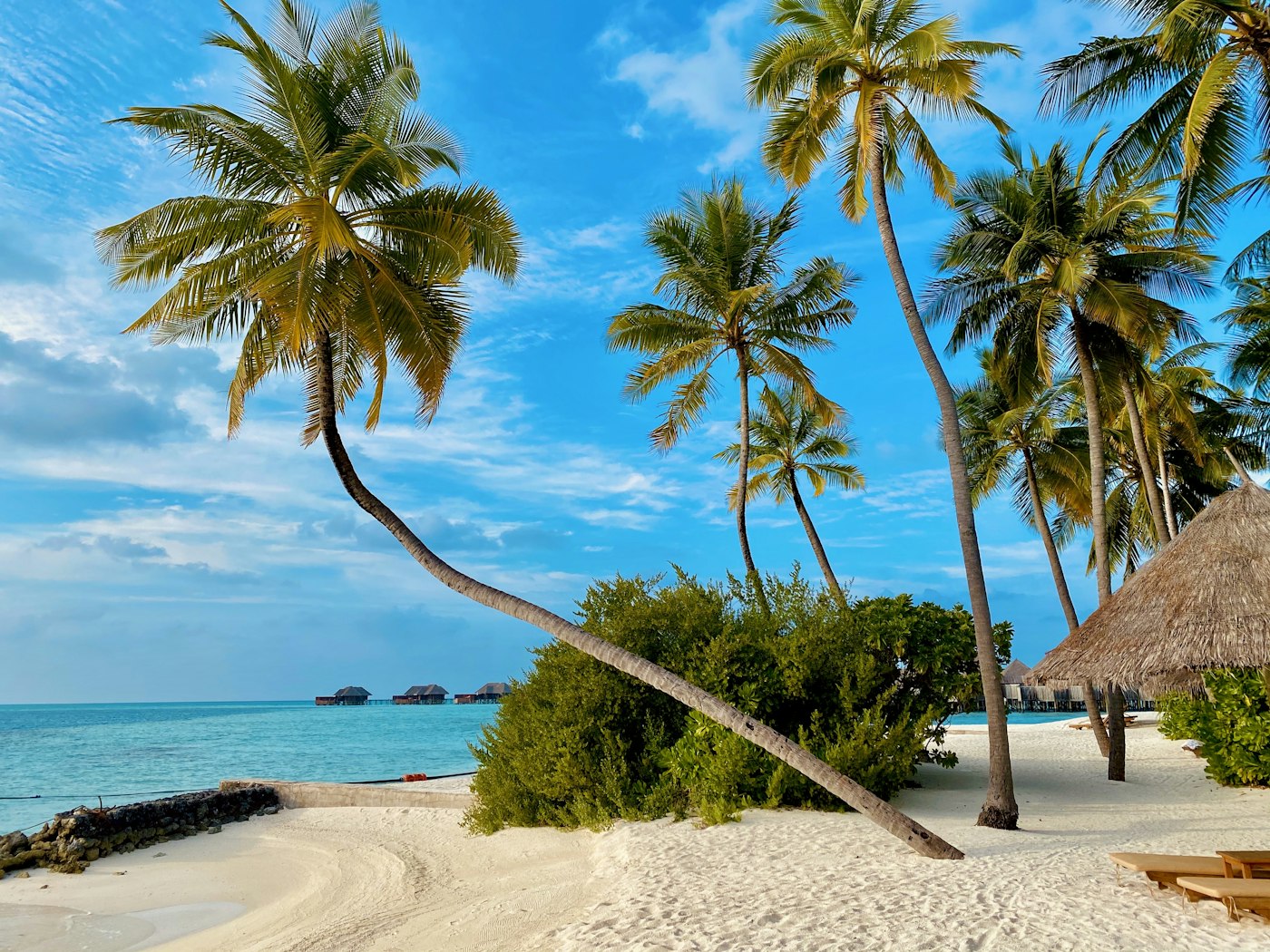
Miyakojima is the kind of place that makes you question why you ever considered paying $500 a night for a beach resort anywhere else. This small island — just 160 square kilometers, population 55,000 — has three beaches that would each be the main attraction of a much larger destination. And the best part? You'll often have them nearly to yourself.
I spent five days on Miyakojima in April, and by the third day I was seriously looking up local real estate prices. That's the effect this island has on people.
Yonaha Maehama: The One That Broke My Brain
Seven kilometers of white sand. Water so clear it looks like the boat is floating in air. Hardly a soul in sight. Yonaha Maehama is regularly voted one of the best beaches in Japan, and standing there for the first time, I understood why.
The beach faces west, which means two things: calm water (it's protected by a reef) and absolutely stunning sunsets. The sand is fine and powdery — the kind that doesn't stick to your feet. There are no vendors, no loud music, no jetskis. Just wind, waves, and that impossible shade of blue.
Bring an umbrella and plenty of water. There's zero shade and no shops within walking distance. The closest convenience store is a 15-minute drive.
Sunayama Beach: The Dramatic One
Sunayama means "sand mountain," and the name comes from the large sand dune you have to walk over to reach the beach. It's a short, fun little climb, and when you crest the top, the view hits you all at once — a perfect crescent of white sand framed by dramatic limestone rock formations.
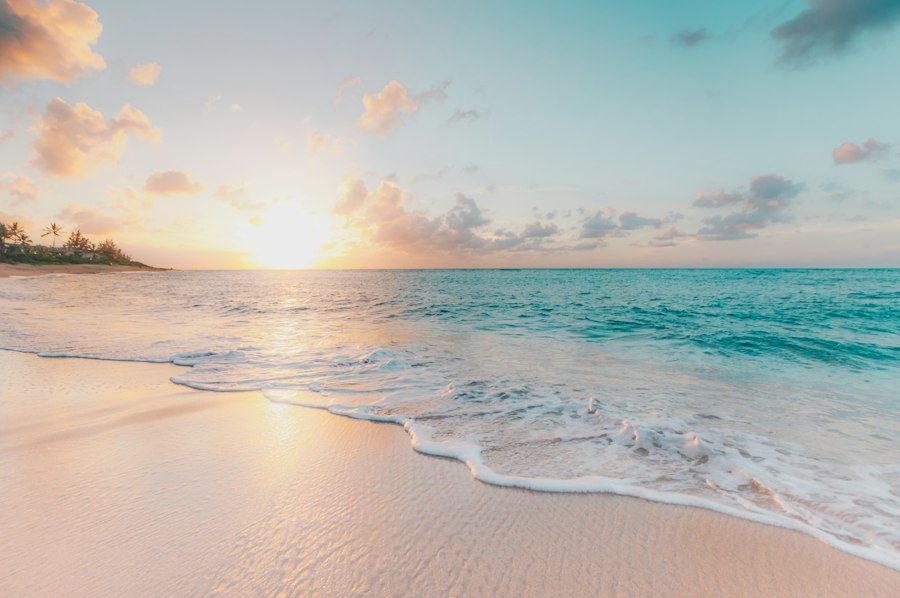
That moment when you crest the dune and Sunayama reveals itself.
The rock arch at the eastern end is Sunayama's signature feature, and it's become a popular photo spot. But even with the Instagram crowd, the beach never feels crowded — it's big enough that people naturally spread out.
Aragusuku Beach: The Snorkeler's Dream
If you want to see fish — and I mean a lot of fish — Aragusuku is where you go. The reef starts just a few meters from shore, and it's teeming with life. Clownfish, angelfish, sea cucumbers, and yes, sea turtles. I snorkeled here for two hours and didn't want to get out.
Water shoes are essential. The entry is rocky and there are sea urchins in the shallows. But once you're past the rocks, it's pure magic.
The Irabu Bridge: Getting There Is Half the Fun
Miyakojima is connected to neighboring Irabu Island by a 3,540-meter bridge that is, by itself, worth the trip. Driving across the Irabu Ohashi with the ocean on both sides and the horizon stretching endlessly ahead is one of those experiences that makes you pull over and just stare.
Irabu has its own beaches worth exploring — particularly Toguchi Beach, a small but stunning cove with turquoise water and hardly any visitors.
🚲 Getting Around Miyakojima
A rental car is ideal, but Miyakojima is small enough that a scooter or bicycle works too. The island is flat, the roads are good, and distances are short. Expect 20-30 minutes between the main beaches by car.
What to Eat
Miyakojima's food is distinctly different from mainland Japan. The local specialty is mimigar — thinly sliced pig ear that's boiled and served with ponzu. It sounds intimidating but it's actually delicious, with a texture like al dente pasta and a clean, savory flavor.
More approachable local dishes include Miyako soba (similar to Okinawan soba but with a lighter broth), fresh mozuku seaweed (served as a side dish at nearly every restaurant), and an incredible array of tropical fruits — mangoes in summer, passionfruit year-round.
For a special dinner, try the izakayas near Hirara port. The fish is caught that morning, the atmosphere is friendly, and you'll spend about ¥3,000 for a meal that would cost triple in Tokyo.
Miyakojima is what happens when an island has everything — the beaches, the food, the pace of life — but nobody's bothered to tell the world about it yet. Do yourself a favor and go before they do.