Amami Oshima sits in the awkward space between Okinawa and Kagoshima, geographically and culturally. It's not quite Okinawan, not quite Kyushu, and not quite on anyone's radar. Which is exactly what makes it so special.
This is an island where you can kayak through primordial mangrove forests in the morning, swim at a beach with no name in the afternoon, and eat the best pork belly of your life for dinner — all without seeing another tourist. Amami doesn't have Ishigaki's hype or Okinawa's infrastructure. It has something better: authenticity without audience.
The Mangroves: Paddling Through Another World
Amami has Japan's second-largest mangrove forest, and exploring it by kayak is the island's signature experience. The mangroves line the Sumiyo River, and as you paddle deeper into the forest, the canopy closes overhead and the outside world genuinely disappears. It's quiet — the kind of quiet where you can hear your own heartbeat.
Tours run about ¥5,000 for two hours and are suitable for complete beginners. The guides speak limited English but are excellent communicators regardless. Go at high tide for the full effect — the water rises into the mangrove canopy and you paddle through what feels like a flooded forest.
Kurasaki Beach: The One with the Rock Arch
Amami has dozens of beaches, but Kurasaki is the one that stopped me in my tracks. A natural rock arch frames a small cove of white sand and turquoise water, and the whole scene looks like it was designed by someone with an unfair sense of aesthetics.
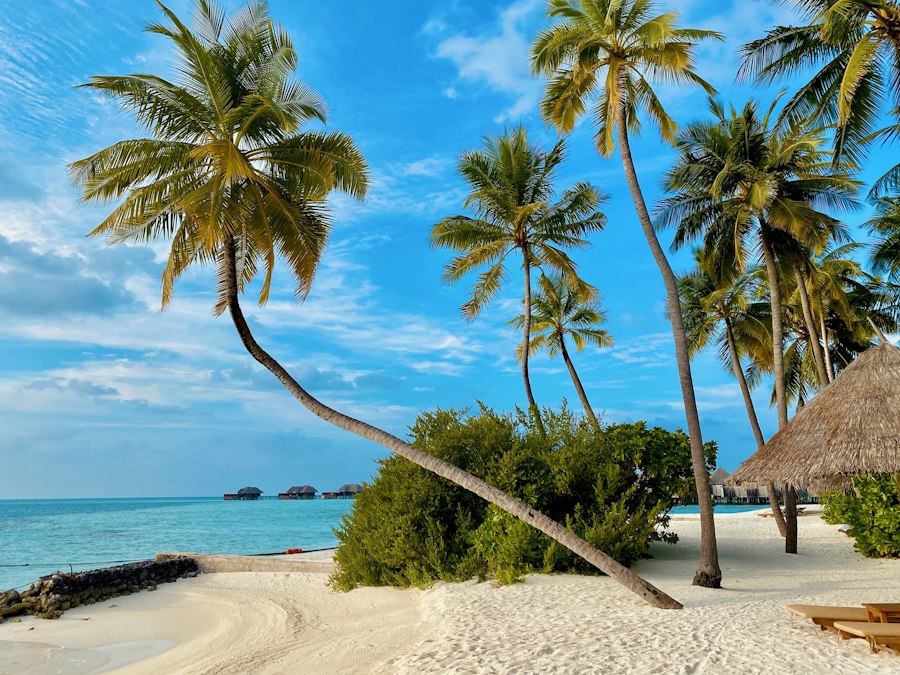
Kurasaki Beach — the rock arch makes it one of Japan's most photogenic spots.
There are no facilities here. No toilets, no rental shops, no parking lot. You park on the side of the road and walk down a short path. Bring everything you need and take your trash with you. The lack of development is precisely what keeps it pristine.
Ayammaru Beach: Where the Locals Go
When I asked my guesthouse owner where she goes on her day off, she said Ayammaru without hesitating. It's a long, wide beach on the east coast with fine sand, gentle waves, and — crucially — a small café run by a retired couple who make incredible goya champuru and cold yomogi tea.
The water clarity isn't quite Kurasaki level (the east coast gets more runoff), but the vibe is unbeatable. On a weekday in April, I shared the entire beach with two local families and a very relaxed dog.
The Food: Amami's Secret Weapon
Nobody comes to Amami for the food, and that's a mistake. This island punches way above its weight culinary-wise.
Keihan is Amami's signature dish — a bowl of rice topped with shredded chicken, shiitake mushrooms, thin omelet strips, and a rich chicken broth poured over the top. It sounds simple, but the layering of flavors is remarkable. Every local restaurant makes it differently, and I never had a bad version.
Other highlights: Amami's black sugar (kokuto) sweets, fresh tuna direct from the harbor, and an absurd variety of shochu (Amami produces some of Japan's finest). Ask for "Amami kokuto shochu" at any izakaya — it's distilled from black sugar cane and has a smooth, slightly sweet finish that's unlike anything on the mainland.
✈️ Getting There
JAL and ANA fly direct from Tokyo Haneda (2.5 hrs, ¥25,000–50,000), Osaka Itami (2 hrs), and Kagoshima (1 hr). There's also a ferry from Kagoshima (11 hrs overnight, ¥9,000). The ferry is an experience in itself — comfortable, cheap, and you wake up already on the island.
Amami Oshima isn't trying to impress you. It doesn't have a marketing budget or a catchy slogan. It's just sitting there, being extraordinary, waiting for the people curious enough to find it. Be one of those people.