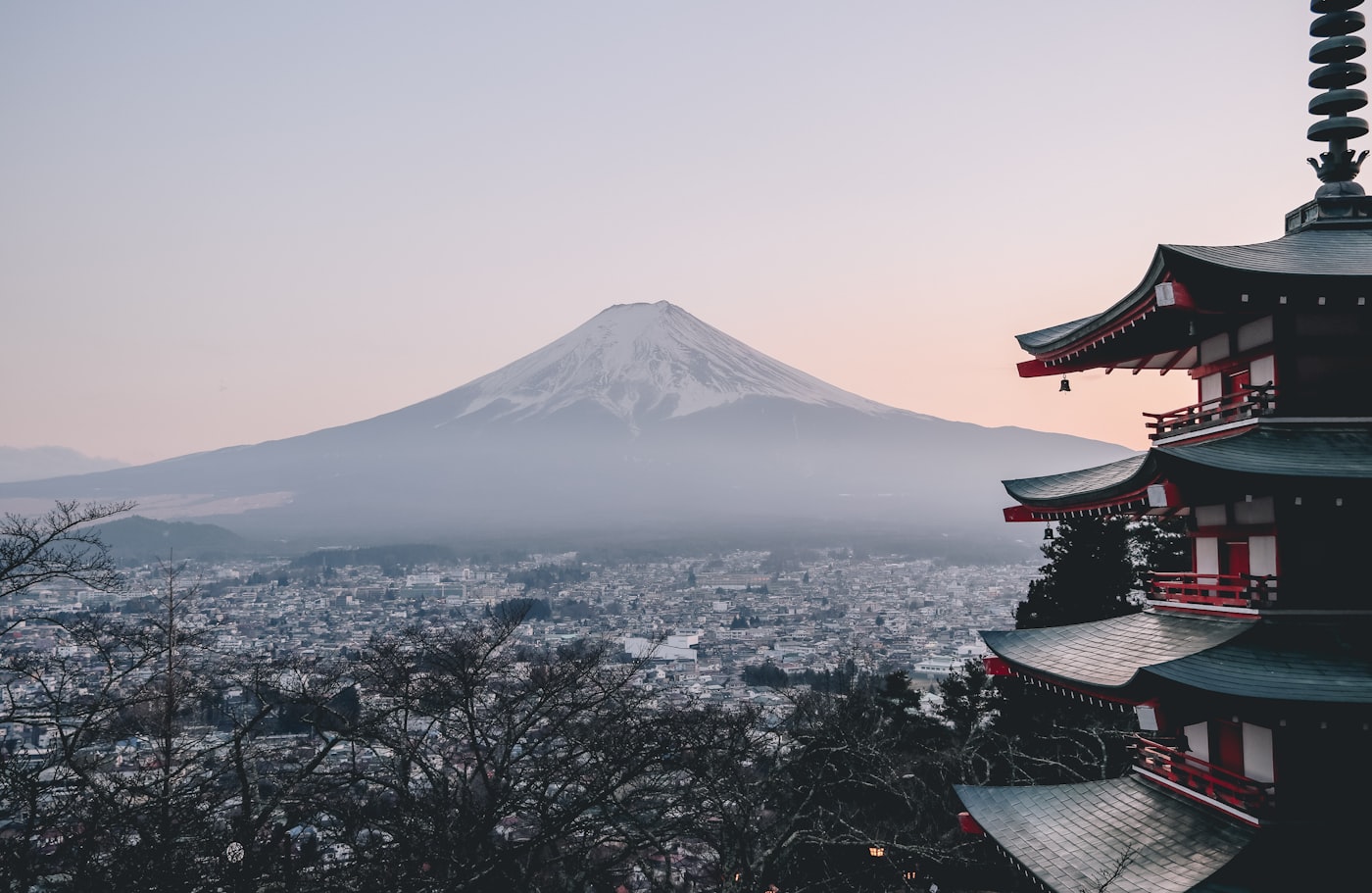
Kamakura is a shape-shifter. For some people it's a temple town — home to the Great Buddha, Hase-dera, and enough shrines to fill a week. For others it's a surf spot, with consistent waves and a laid-back boardwalk culture. And for the truly enlightened, it's both at the same time.
Where else in the world can you light incense at a 750-year-old temple in the morning, paddle out for a surf session at lunch, and be eating the best shaved ice of your life by 3 PM? Kamakura doesn't make you choose. It just assumes you want everything, and it delivers.
Yuigahama Beach: The Popular One
Yuigahama is Kamakura's main beach, a long stretch of sand that runs along the city's southern edge. It's where the surf schools set up, where the beach cafés open for the season, and where Tokyo's heat-wave refugees come to cool off on summer weekends.
Yes, it gets crowded. Absurdly so on July and August weekends. But here's the thing: even at its busiest, Yuigahama has a friendly, small-town energy that bigger beaches lack. People share umbrellas, kids build sandcastles next to surfers waxing boards, and the whole scene feels more like a community gathering than a tourist attraction.
The water quality is decent (not Okinawa-clear, but clean enough for swimming), and the wave break is gentle enough for beginners. Surf lessons run about ¥5,000 for 90 minutes, board rental is ¥3,000/half day.
Zaimokuza Beach: The Quieter Neighbor
Walk ten minutes east from Yuigahama and you hit Zaimokuza, a wider, less developed beach with a more local feel. Fewer surfers, fewer vendors, more space. The water is essentially the same (it's the same bay), but the vibe is completely different.
Zaimokuza is where I'd go if I just wanted to read a book on the sand without someone's speaker blasting J-pop three feet away. It's also the better beach for a sunset walk — the beach faces south-southeast, but the evening light reflecting off the water and the Enoshima skyline is gorgeous.
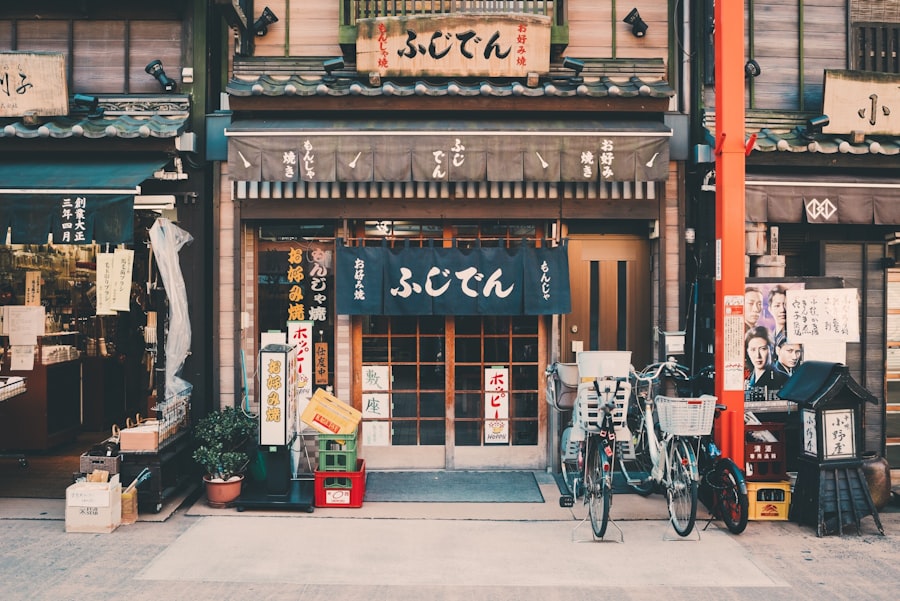
The Kamakura coastline stretching toward Enoshima.
The Kakigori Situation
I need to talk about the shaved ice. Kamakura has an obsession with kakigori that borders on religious, and several shops here are considered among the best in all of Japan.
The standout is Himitsudo, a tiny shop near Yuigahama that makes kakigori so fluffy it's like eating a cloud. Their signature is the seasonal fruit flavor — strawberry in spring, mango in summer, persimmon in autumn. The ice is shaved so fine it dissolves on your tongue, and the syrup is made from real fruit, not that neon stuff from a bottle.
Be prepared to wait. On summer weekends, the line can be an hour long. It's worth it.
The Perfect Kamakura Beach Day (A Suggested Itinerary)
8:00 AM — Take the Enoden line from Kamakura Station to Hase Station. Walk to the Great Buddha (opens at 8 AM, no crowds yet).
9:30 AM — Walk to Hase-dera temple. The ocean views from the hilltop observation deck are stunning.
11:00 AM — Head to Yuigahama Beach. Rent a board or just lay on the sand.
1:00 PM — Lunch at one of the beachside cafés. Try the shirasu-don (rice bowl with fresh whitebait) — a Kamakura specialty.
2:30 PM — More beach time, or walk to Zaimokuza for a quieter stretch.
4:00 PM — Kakigori at Himitsudo (or Tsubaki, another excellent shop).
5:00 PM — Walk the Komachi-dori shopping street for souvenirs and snacks.
6:00 PM — Head home, or stay for dinner — the area around the station has fantastic izakayas.
🚃 Getting There
From Tokyo Station, take the JR Yokosuka Line to Kamakura (about 1 hour, ¥960). From Shinjuku, take the Odakyu line to Fujisawa, then the Enoden to Kamakura (about 90 minutes). The Enoden ride is scenic and worth the slightly longer route.
Kamakura won't give you the turquoise water of Okinawa or the isolation of a remote island. What it gives you instead is something rarer: a place where culture, nature, and daily life coexist so naturally that you stop thinking of them as separate things. You just live it.