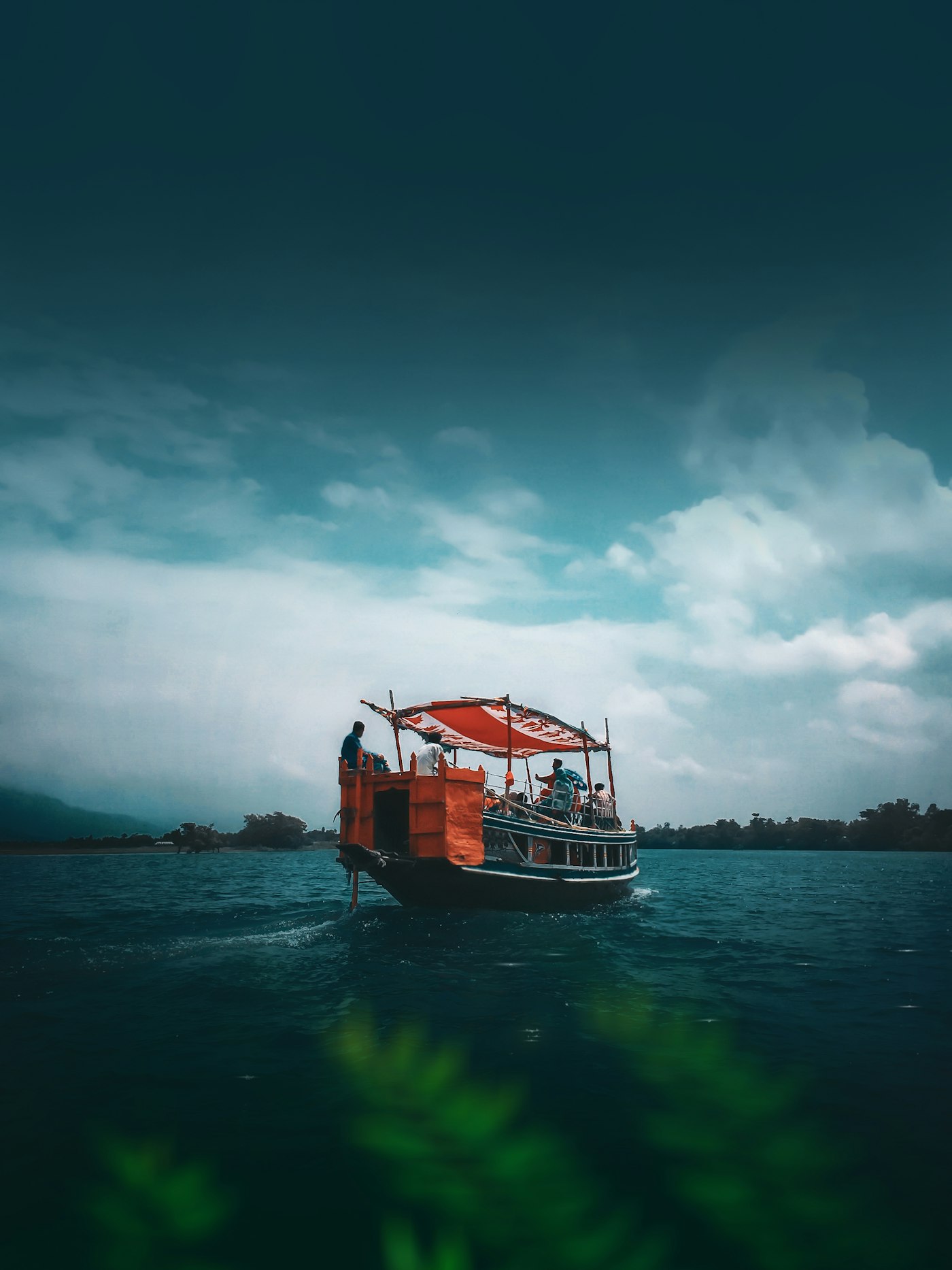
Sixty-six kilometers. That's how long Kujukuri Beach stretches along Chiba's Pacific coast — making it one of the longest beaches in all of Japan. And yet, ask most foreign tourists about it, and you'll get a blank stare.
That's not an accident. Kujukuri isn't on the standard Tokyo-Kyoto-Osaka circuit, it doesn't have a famous shrine or temple next door, and it's never going to show up on a "Top 10 Instagram Spots in Japan" list. What it has is something increasingly rare: space. Lots and lots of space.
The Scale of the Thing
Sixty-six kilometers is hard to visualize. Think of it this way: if you started walking at dawn and kept going at a steady pace, you wouldn't reach the other end until mid-afternoon. The beach passes through nine different towns, each with its own access point, its own character, and its own tiny seafood restaurant serving the morning's catch.
The sand is dark — more brown than white — and the water is the open Pacific, which means waves. Real ones. This is Chiba's surf coast, and on any given morning, you'll see dedicated surfers out before dawn, silhouetted against the sunrise.
Tako and Iioka: Where to Start
The northern end, around the towns of Tako and Iioka, is the most accessible from Tokyo (about 90 minutes by car). The beach here is wide and flat, with consistent beach breaks that attract surfers of all levels. Several surf schools operate along this stretch, with lessons starting at ¥5,000.
Iioka has a small fishing harbor where you can buy fish directly from the boats in the early morning. It's not a polished tourist experience — it's just fishermen selling what they caught, and it's wonderful.
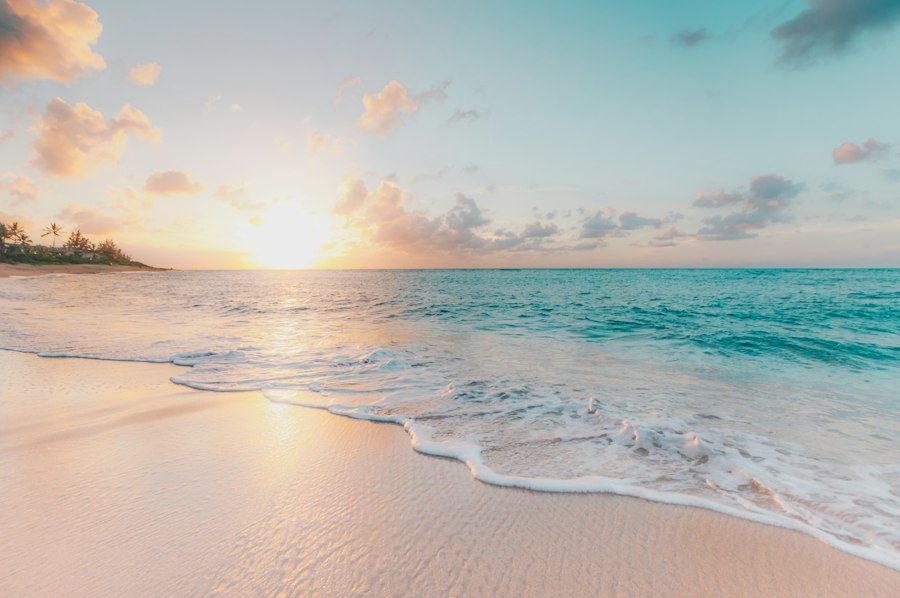
Dawn at Kujukuri — surfers catch the first waves as the sun rises over the Pacific.
Sanbuko Harbor: The Seafood Stop
About midway along the beach, Sanbuko (the Third Port) is where the local fishing cooperative runs a small market. This is the place for the freshest sashimi you'll find outside of Tsukiji — at a third of the price. A sashimi platter with five varieties of local fish costs about ¥1,200.
There's a simple restaurant next to the market that serves set meals (teishoku) featuring whatever came in that morning. No menu translation, no English spoken, just point at what looks good. It's the best meal I had in Chiba, and I've eaten at some fancy places in Tokyo.
What Kujukuri Isn't
Let me be honest about what you won't find here. There's no white sand, no crystal-clear water, no coral reefs. The beach is functional rather than beautiful in the conventional sense. The charm is in the emptiness, the scale, and the feeling that you've found a part of Japan that hasn't been optimized for tourism.
🚗 Getting There
No train access directly to most of the beach. Rent a car from Narita Airport (30 min drive) or central Tokyo (90 min). The Togane Expressway connects to the coast. Alternatively, take the JR Sobu Line to Choshi and explore the southern end on foot.
Kujukuri isn't for everyone. If you need Instagram-worthy water and a cocktail bar on the sand, go to Okinawa. But if you want to experience the Japanese coast the way locals experience it — wide open, slightly rugged, and beautifully ordinary — then 66 kilometers of Pacific coastline is waiting for you. And it's not going anywhere.