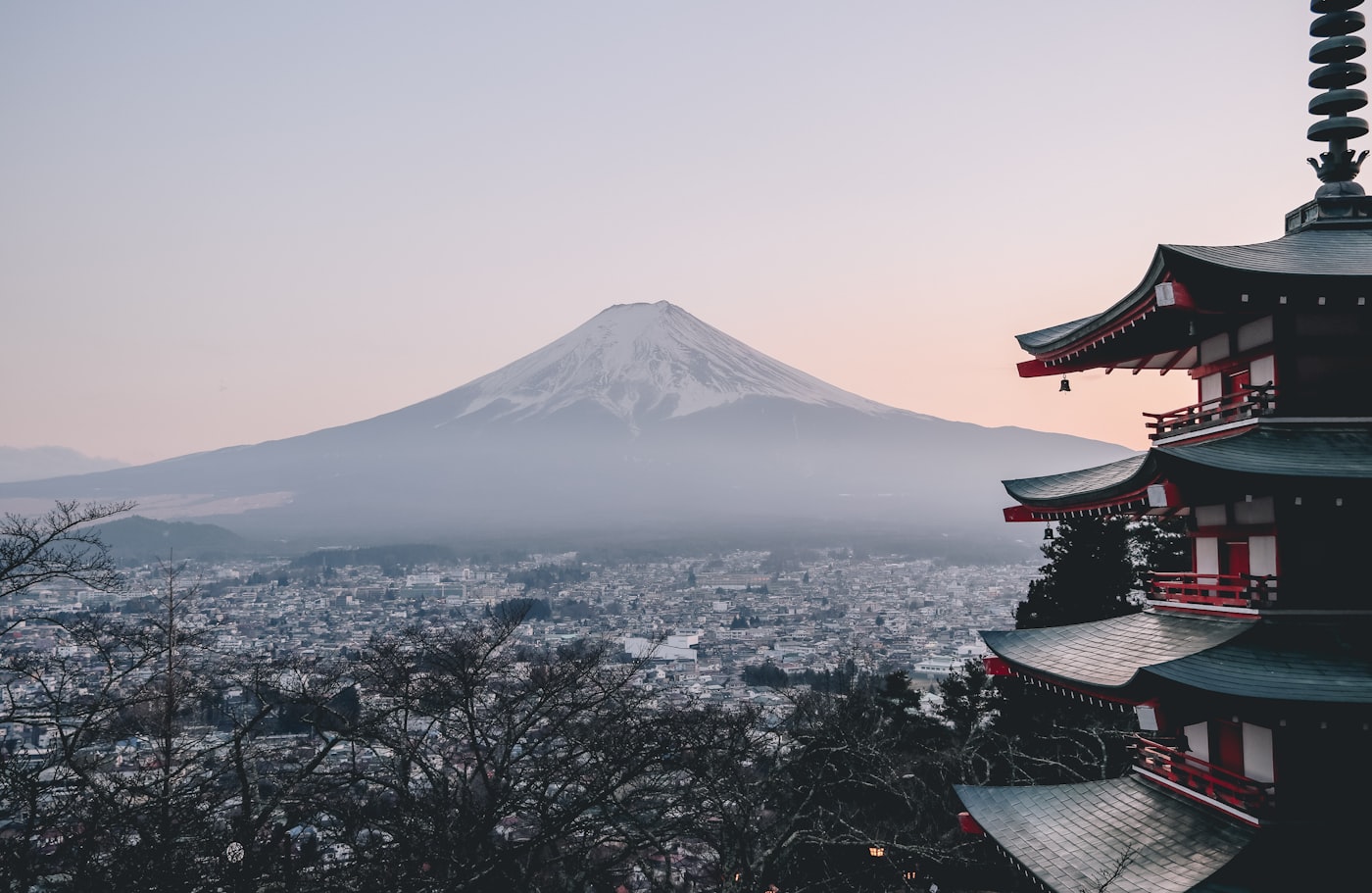
Every Japan travel guide will tell you to visit in spring for cherry blossoms or autumn for foliage. What they won't tell you is that summer in Japan — the sticky, sweaty, supposedly-miserable season — is when the country's coastline truly comes alive. And they definitely won't tell you about the jellyfish.
After four summers exploring Japan's beaches, I've learned a lot of things the hard way. Here's the stuff I wish someone had told me before my first trip.
The Jellyfish Situation (Yes, This Comes First)
Let's get the unpleasant stuff out of the way. From roughly mid-July through September, Japan's southern waters (Okinawa, Kagoshima, and the islands) experience habu-kurage season — when box jellyfish swarm near shore. These aren't the harmless translucent blobs you see in the Mediterranean. Habu-kurage have tentacles up to three meters long and stings that can hospitalize you.
The good news: beaches post warning flags (red means jellyfish detected, purple means dangerous marine life), and most popular beaches have vinegar stations for first aid. The better news: wearing a full-body rash guard and leggings reduces your exposure significantly.
Rule of thumb: if there's a red flag flying, don't go in. No exceptions. The water will still be there tomorrow.
Beach Season is Shorter Than You Think
Japan's official "beach season" (umi no shizuku) runs from early July through mid-August. During this window, beaches have lifeguards, open facilities, and food vendors. Before and after this window, you can still visit the beach, but many facilities shut down and lifeguards are off duty.
In Okinawa, the season is longer — roughly April through October. But even in Okinawa, many beaches are unstaffed outside the July-August peak. You swim at your own risk.
This doesn't mean you shouldn't visit outside peak season. In fact, I prefer September and October in Okinawa — the water is still warm, the crowds are gone, and the jellyfish have mostly moved on. Just be aware that you're on your own for safety.
The Unspoken Rules of Japanese Beaches
Japanese beaches have cultural norms that aren't written down anywhere but that everyone follows. Breaking them won't get you arrested, but it will earn you some very polite disapproval.
- No alcohol on the beach. Unlike many Western countries, drinking on Japanese beaches is generally frowned upon. Save the beer for the beachside izakaya afterward.
- Take your trash with you. Most Japanese beaches don't have trash cans (by design). Bring a bag and carry everything out. This is non-negotiable.
- Don't play loud music. Portable speakers are a major social offense. If you need music, use earbuds.
- Shower before going home. Beach shower areas exist for a reason. Don't drag sand into your rental car or the train.
- Tattoos. This is the big one. Many beaches, especially those near onsen or resort facilities, restrict visible tattoos. Cover them with a rash guard or waterproof bandages. This is slowly changing, but for now, err on the side of caution.
A typical summer day at a Japanese beach — orderly, clean, and surprisingly peaceful.
Typhoon Season: The Elephant in the Room
Typhoon season in Japan runs from August through October, with peak activity in September. Okinawa and the southern islands get hit first and hardest, but even mainland beaches can see closures during typhoons.
What this means for your trip: build in flexibility. Don't book non-refundable hotels for every night. Have indoor backup plans (temples, museums, shopping). And check the Japan Meteorological Agency website (jma.go.jp) daily — their typhoon tracking is excellent.
Here's a silver lining: the days immediately after a typhoon passes often have the clearest water and most dramatic skies of the entire summer. The ocean churns up nutrients, the air is scrubbed clean, and the visibility underwater can be extraordinary.
What to Pack (That You Wouldn't Think Of)
- Reef shoes. Non-negotiable for any beach in Okinawa. Rocky entries and sea urchins are everywhere.
- Reef-safe sunscreen. Regular sunscreen damages coral. Japan sells reef-safe options at drugstores (look for "サンゴにやさしい" on the label).
- Rash guard. Sun protection, jellyfish protection, tattoo coverage — the most versatile item in your beach bag.
- Cash. Many beach-side shops and food stalls are cash-only. ATMs on small islands are scarce.
- International driving permit. Essential for renting cars on Okinawa and the islands. Japan requires the 1949 Geneva Convention format — check your country's version.
Budget Reality Check
Japan's beaches aren't cheap. Here's what to expect for a one-week Okinawa trip per person:
- Flights from Tokyo: ¥20,000–50,000 round trip
- Accommodation: ¥8,000–20,000/night
- Car rental: ¥5,000–7,000/day
- Food: ¥3,000–6,000/day
- Activities (snorkeling, boat tours): ¥3,000–8,000 total
Ballpark total: ¥80,000–150,000 for a week. It's comparable to a mid-range trip to Hawaii, but with the advantage of Japan's safety, cleanliness, and food quality.
💡 Money-Saving Tips
Book flights 2-3 months ahead for the best prices (use Skyscanner Japan). Stay in guesthouses instead of resorts. Eat at local shokudo (casual dining) instead of hotel restaurants. Travel in shoulder season (April-May or September-October) for lower prices and fewer crowds.
None of this is meant to discourage you. Japan's beaches are absolutely worth the planning, the cost, and the occasional jellyfish warning flag. I just think you deserve to know what you're getting into before you're standing on a beach in Ishigaki wondering why nobody told you about the sea urchins.
Now you know. Go have the best beach trip of your life.